







Crisis hotlines are free, confidential, and available 24/7/365 across the United States. You do not need to be in life-threatening danger to contact them; they are designed for anyone experiencing intense emotional distress, navigating a difficult circumstance, or trying to help a loved one.
Quick Reference Directory
| Hotline Name | Phone | Text / Chat | Best For |
| 988 Suicide & Crisis Lifeline | Dial 988 | Text 988 or chat at 988lifeline.org | Suicidal thoughts, mental health crises, acute emotional pain |
| Veterans Crisis Line | Dial 988, Press 1 | Text 838255 | Veterans, service members, and their families |
| The Trevor Project | 1-866-488-7386 | Text START to 678-678 | LGBTQ+ youth in distress or crisis |
| Crisis Text Line | — | Text HOME to 741741 | Text-based crisis intervention (anxiety, panic, self-harm) |
| SAMHSA National Helpline | 1-800-662-4357 | Text zip code to 435748 | Addiction, rehab referrals, mental health treatment routing |
| National Domestic Violence Hotline | 1-800-799-7233 | Text START to 88788 | Relationship abuse, safety planning, emergency shelter |
| RAINN (Sexual Assault Hotline) | 1-800-656-4673 | Chat at online.rainn.org | Sexual assault survivors needing medical, legal, or emotional support |
| Childhelp National Child Abuse Hotline | 1-800-422-4453 | Text 1-800-422-4453 | Child abuse crisis intervention, prevention, and reporting help |
| Disaster Distress Helpline | 1-800-985-5990 | Text 1-800-985-5990 | Trauma from hurricanes, wildfires, floods, or mass violence |
| 2-1-1 Community Resources | Dial 2-1-1 | Visit 211.org | Emergency shelter, food, utility shutoff aid, local social services |
In-Depth Guide: When to Use Each Service
1. 988 Suicide & Crisis Lifeline
- Contact: Call or Text 988 | Online chat:
988lifeline.org - When it helps:
- You or someone you know is having thoughts of suicide, self-harm, or severe hopelessness.
- You are experiencing an overwhelming panic attack, severe depression, or a psychotic episode and need immediate stabilization.
- You are a caregiver or friend trying to keep someone safe and need real-time coaching on de-escalation.
- Specialized Routing:
- Veterans & Active Duty: Press 1 to reach the Veterans Crisis Line.
- Spanish Speakers: Press 2 for direct Spanish-language counselors.
- LGBTQ+ Youth (Under 25): Press 3 for counselors trained in LGBTQ+ youth issues.
2. Crisis Text Line
- Contact: Text HOME (or any word) to 741741
- When it helps:
- You cannot speak aloud safely (e.g., in a crowded room, abusive household, or shared dorm).
- You feel intense anxiety, sensory overload, or dissociation and prefer communicating via text.
- You need a trained volunteer counselor to help you de-escalate from a “hot moment” to a “cool moment” at your own pace.
3. SAMHSA’s National Helpline
- Contact: Call 1-800-662-4357 (1-800-662-HELP) | Text your 5-digit ZIP code to 435748
- When it helps:
- You or a family member is struggling with alcohol, opioid, or other drug addiction and needs treatment placement.
- You have no private health insurance or are on Medicaid and need to locate state-funded detox beds, residential rehab, or outpatient facilities.
- You are seeking local Medication-Assisted Treatment (MAT) prescribers for buprenorphine or methadone.
4. National Domestic Violence Hotline
- Contact: Call 1-800-799-7233 (SAFE) | Text START to 88788 | Chat at
thehotline.org - When it helps:
- You suspect your relationship is becoming dangerous, coercive, or abusive (emotionally, physically, or financially).
- You need a confidential safety plan to leave an abusive partner without tipping them off.
- You need emergency transitional shelter, legal aid referrals, or protective order information in your county.
5. RAINN (Rape, Abuse & Incest National Network)
- Contact: Call 1-800-656-4673 | Chat at
online.rainn.org - When it helps:
- You are a survivor of sexual assault or abuse seeking confidential, nonjudgmental support.
- You need immediate guidance on forensic medical examinations (rape kits) and medical care following an assault.
- You are dealing with post-traumatic stress, triggers, or flashbacks related to past trauma and need specialized therapist referrals.
6. The Trevor Project
- Contact: Call 1-866-488-7386 | Text START to 678-678 | Chat at
thetrevorproject.org - When it helps:
- You are an LGBTQ+ young person (under 25) facing rejection, bullying, family estrangement, or housing instability.
- You are questioning your gender identity or sexual orientation and need a safe, affirming person to speak with.
- You are experiencing severe mental health distress or suicidal ideation tied to identity-related prejudice.
7. SAMHSA Disaster Distress Helpline
- Contact: Call or Text 1-800-985-5990
- When it helps:
- You are experiencing acute stress, grief, insomnia, or anxiety following a natural disaster (e.g., hurricane, tornado, wildfire, flooding).
- You are dealing with collective psychological trauma following an act of mass violence, a hazardous materials accident, or community unrest.
8. 2-1-1 (United Way / Community Information & Referral)
- Contact: Dial 2-1-1 | Online search:
211.org - When it helps:
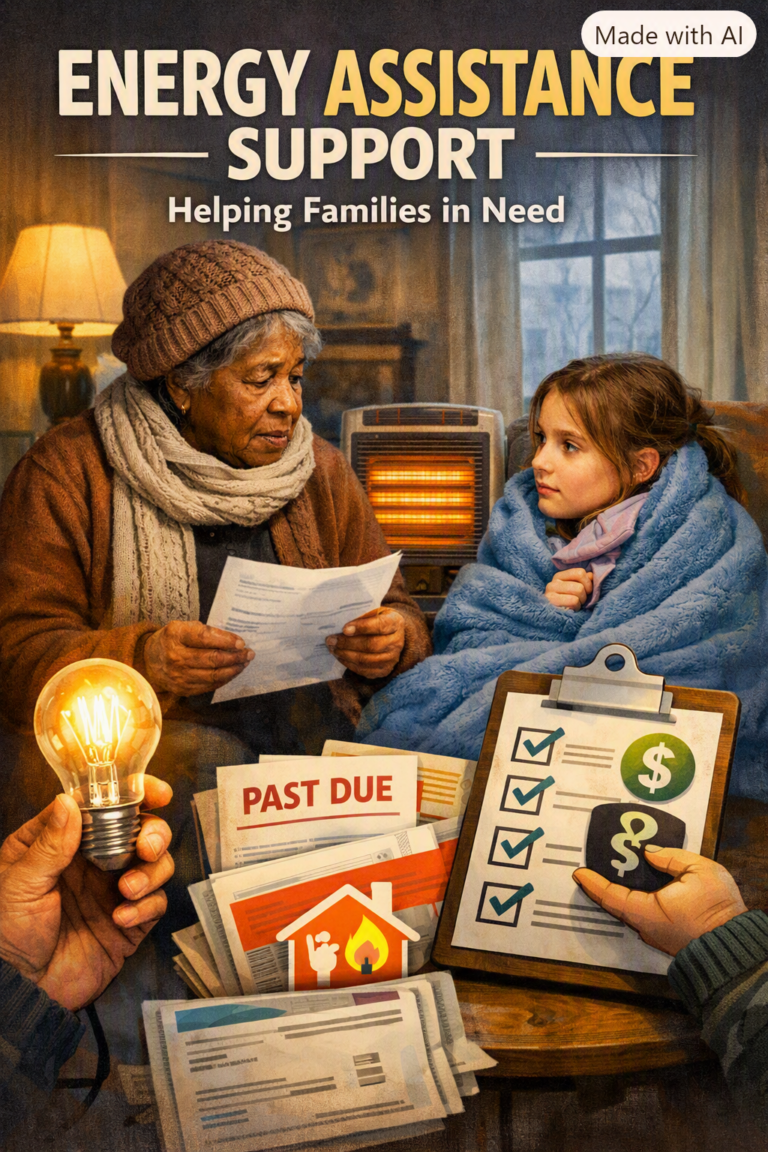
- You need immediate tangible survival aid rather than psychiatric intervention: emergency food, homeless shelter beds, eviction prevention, or utility shutoff assistance.
- You are trying to find low-cost primary care, sliding-scale dental clinics, or non-emergency transportation in your local county.
What to Expect When You Contact a Hotline
- Automated Prompt: You may hear a short greeting asking about language preferences or demographic routing (such as Veterans or LGBTQ+ youth).
- Connection Time: Most calls and texts connect within 30 seconds to a few minutes (longer during major disaster events).
- Confidential Listening: Counselors begin by asking your name (pseudonyms are fine) and what is happening. They are trained to validate your feelings and assess immediate safety without judgment.
- Safety-First Approach: Hotline staff prioritize collaborative de-escalation and safety planning. Emergency service dispatches (like 911) are treated as an absolute last resort, reserved exclusively for active, imminent danger where the person cannot or will not stay safe.