








When your cupboards are bare and your bank account is empty, waiting two to three weeks for a state benefit card isn’t an option. You need to eat today.
Across the United States, an extensive network of charitable and community-run programs operates specifically to hand food to anyone in need—often with zero paperwork, no income verification, and no wait time.
Here is how to find free food in your city right now.
1. Hot Meal Programs and Soup Kitchens (Immediate: Within Hours)
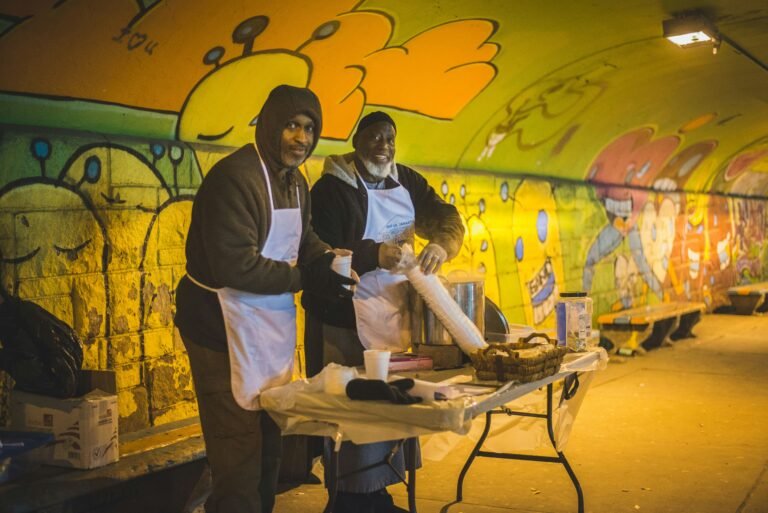
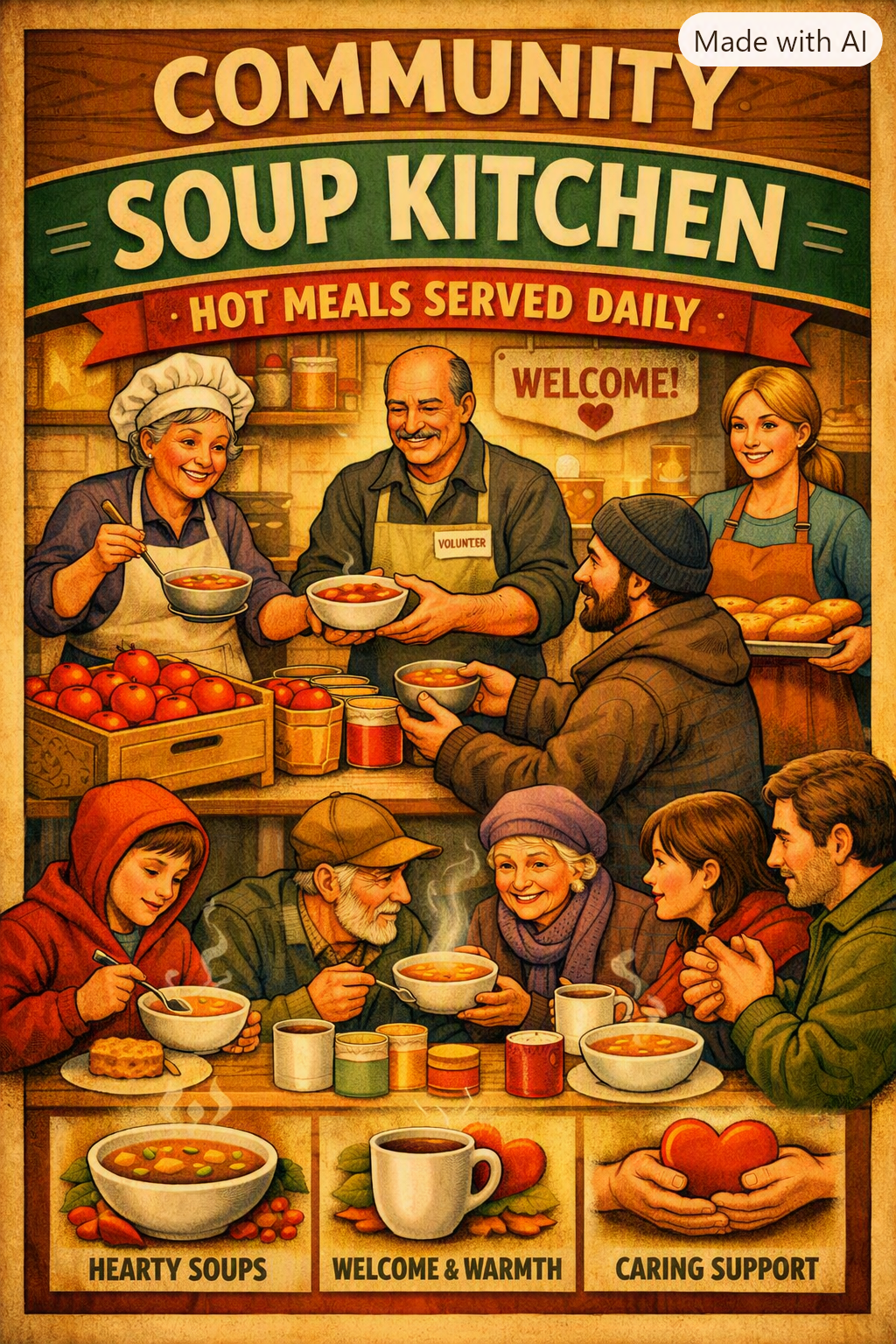
If you need an immediate cooked meal, look for a community dining site or soup kitchen.
- How they work: Meals are prepared on-site and served cafeteria-style or packed to go.
- Requirements: Virtually none. Most sites do not ask for ID, proof of income, or your address. Anyone who walks through the door during meal hours is served.
- Where to find them: Commonly hosted at Salvation Army centers, Catholic Charities locations, rescue missions, urban churches, and secular community drop-in day centers.
2. Emergency Food Pantries (Same-Day Groceries)
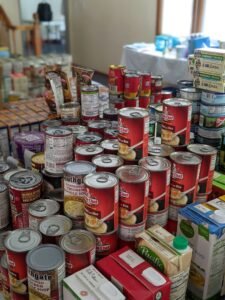
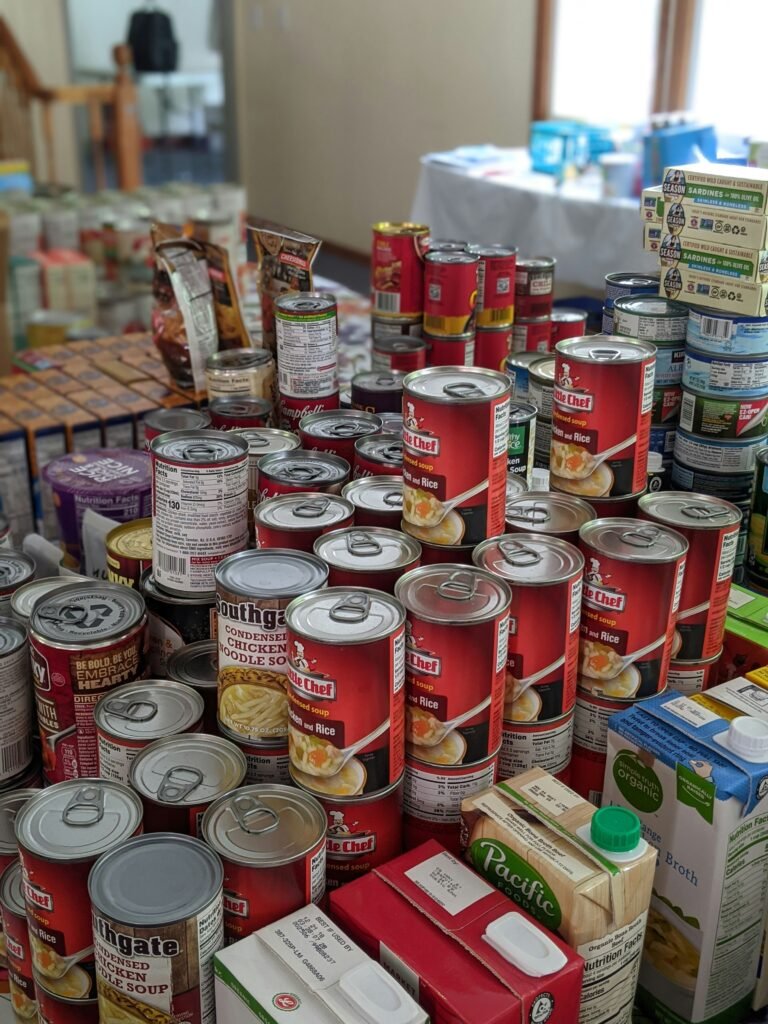
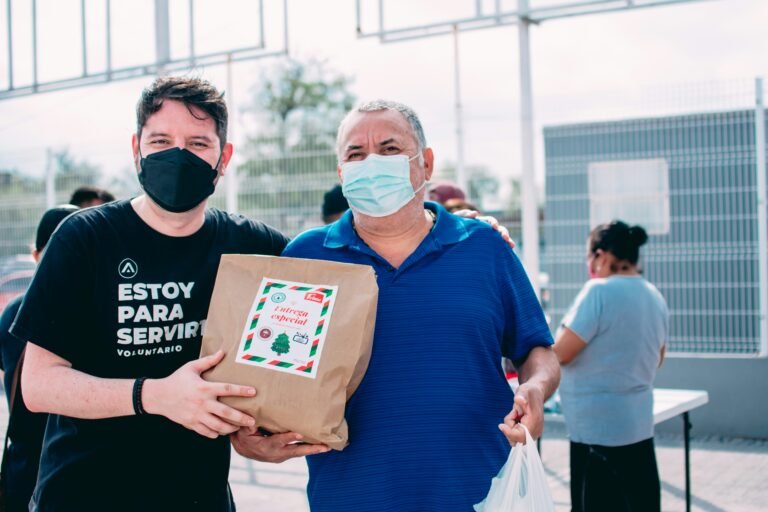
Food pantries distribute dry goods, canned staples, bakery items, dairy, and fresh produce for you to take home and cook.
- Pantry vs. Food Bank: Food banks are regional supply warehouses that supply smaller organizations; food pantries are local, neighborhood-level sites that serve individuals directly.
- What to expect: Pantries typically give out 3 to 7 days’ worth of groceries per household.
- Common requirements: Many pantries require only self-declaration of need. Some may ask for a photo ID and a piece of mail (like a utility bill or lease) to confirm you live in their service zip code.
- Restrictions: Many pantries limit visits to once a week or once a month, so check their schedule before traveling.
3. Mutual-Aid Options: Community Fridges and Blessing Boxes
If you cannot make it during standard operating hours or lack an ID, look for grassroots mutual-aid boxes.
| Resource | What It Is | Access / Hours |
| Little Free Pantries / Blessing Boxes | Small, weather-proof wooden cupboards mounted outside churches, libraries, and parks stocked with nonperishables. | 24/7, completely anonymous, open to all. |
| Community Fridges (Freedges) | Outdoor refrigerators and dry shelves maintained by local volunteers, stocked with milk, meals, and fresh produce. | Usually open 24/7; take what you need with no sign-in required. |
4. Digital Tools to Map Free Food Near You Today
Do not drive or walk from site to site blindly. Use these free tools on any phone or library computer to find open locations:
- Dial 2-1-1: Call 2-1-1 or visit 211.org to speak with an operator who tracks open hours, addresses, and transport options for food programs in your exact zip code.
- FoodFinder: Visit foodfinder.us, an interactive map that lists thousands of active food pantries, meal sites, and emergency relief programs nationwide.
- Feeding America Pantry Locator: Use the locator at feedingamerica.org/find-your-local-foodbank to find your regional food bank, which links directly to partner pantries in your neighborhood.
Quick Action Checklist: Finding Food in Under 2 Hours
1.Locate open hours online or via 2-1-1:Verify times before traveling.
Pantry and soup kitchen hours vary widely. Check websites or call 2-1-1 to confirm lunch/dinner distribution windows.
2.Grab basic documentation (if available):Don’t turn back if you have none.
Take a photo ID and a piece of mail showing your local address. If you do not have these, head to a soup kitchen or community fridge, which require no paperwork.
3.Bring sturdy bags or a rolling cart:Food can be heavy.
Emergency boxes frequently include heavy canned goods, potatoes, and beverages. Bring reusable grocery bags or a backpack.